
HVAC

Keep Communities comfortable and running smoothly
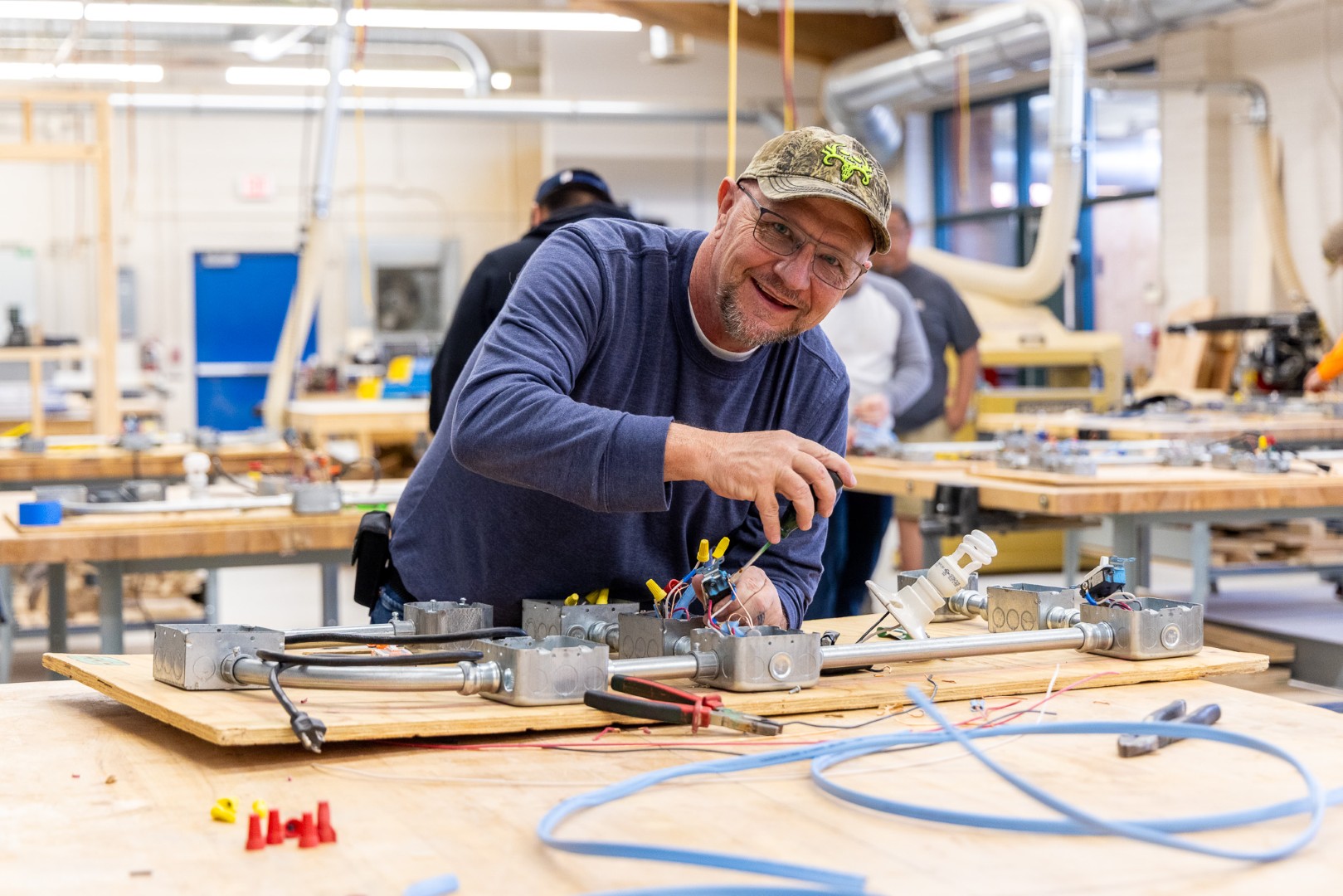
CCC’s HVACr Level I Technician Certificate was developed in direct response to local employer and community demand for trained technicians. You’ll learn through classroom instruction and hands-on training on state-of-the-art technical equipment, graduating with the skills and credentials employers are actively looking for.
Program Options
HVACr Level I Technician Certificate
The HVACr Level I Technician Certificate provides students with a technical foundation required for entry-level work in the growing HVACr industry. You’ll learn the concepts and principles of refrigeration, electrical, and mechanical systems through classroom instruction and hands-on technical training, and develop the skills needed to diagnose, repair, service, and maintain residential and light commercial HVAC systems.
- Credential: 25 credit hours (verify with department — see note above)
- Program length: approximately 32 weeks
- Offered in-person at CCC’s Fourth Street Campus, 3000 N. Fourth Street, Flagstaff
- WIOA-approved program — financial aid and workforce funding may be available
What Can I Do within Construction Technology?
The HVACr Level I Technician Certificate prepares you for entry-level careers in residential and light commercial HVAC service. Graduates may pursue careers such as:
- HVAC Mechanic and Installer
- HVAC Service Technician
- Refrigeration Mechanic
- Residential HVAC Technician
- Light Commercial HVAC Technician
- Building Maintenance Technician (with HVAC focus)
HVACr technicians are consistently in demand across Coconino County and the broader region. This program was created specifically in response to community and employer feedback identifying local HVACr workforce shortages.
What Will I Learn?
Upon completion of the HVACr Level I Technician Certificate, you will be able to:
- Understand and apply OSHA construction safety standards
- Apply EPA 608 standards for handling and managing regulated refrigerants
- Explain how HVACr systems affect indoor air quality
- Diagnose, repair, service, and maintain residential and light commercial HVAC systems
- Apply fundamental knowledge of electrical systems and safety procedures as they relate to HVACr
- Apply fundamental knowledge of plumbing systems and safety procedures as they relate to HVACr
- Apply basic construction methodology relevant to HVACr installation and service

Programs at a glance
- Length of Program
- Associate of Science (AS) Transfer Degree
- AGEC-S Certificate
- Individual AGEC courses
- Course Delivery:
- In-person and Online Classes
- Course Schedule:
- Day and Evening Classes Available
- Transferrability:
- All Courses transfer to NAU, ASU, and U of A as AGEC credit.
- Financial Aid Eligible
- Military/Veteran Benefits Available
- Location:
- Lone Tree Cmapus
- Page Campus
- Online
Transfer option
The HVACr Level I Technician Certificate is a workforce-focused credential designed to prepare you for employment. Transfer options to a four-year university are limited.
If you are interested in building on your HVACr skills through continuing education or online training options, CCC also offers non-credit HVACr training through its continuing education program. An academic advisor can help you explore what is available..
Please meet with an Advisor to discuss options.
Career Outlook
Frequently Asked Questions
- How long does the HVACr program take to complete?
The HVACr Level I Technician Certificate can typically be completed in approximately 32 weeks. An academic advisor can help you plan your schedule and timeline.
- Is financial aid available for this program?
Yes. The HVACr program is a credit-bearing certificate, making it eligible for financial aid including Pell Grants and CCC Foundation scholarships. It is also WIOA-approved, meaning eligible students may qualify for workforce development funding. Contact Financial Aid for more information.
- Do I need experience in HVAC before I start?
No. The HVACr Level I Technician Certificate is designed for students who are new to the field. You’ll build foundational skills through classroom instruction and hands-on training.
Meet Your Faculty:
Next Steps:
- Apply for free
- Find ways to pay for college
- Meet with your Advisor
- Enroll in classes