myCCC


Sustainable Green Building AAS
The Associate of Applied Science in Sustainable Green Building is designed to educate students comprehensively on the many subjects related to green building categories and related environmental and occupant issues, energy efficiencies, and sustainable building design considerations. The program prepares students for employment in the construction industry specifically related to green building and its related categories.
Hands-On Learning and Internship Experience
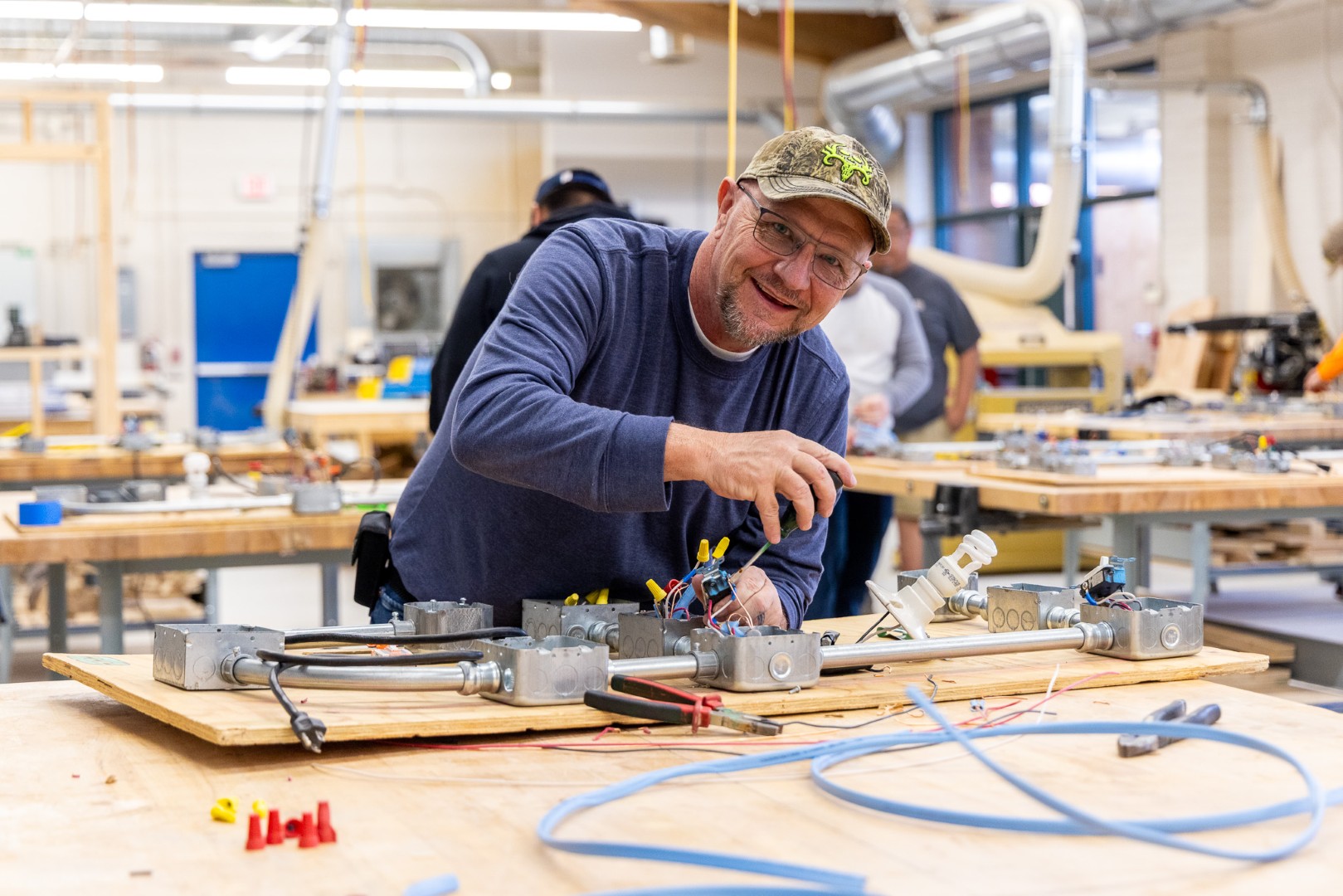
Sustainable Green Building students learn through a combination of classroom instruction, applied projects, and hands-on technical experience. The program includes an internship component designed to help you build your resume, make professional connections, and apply your skills in a real-world setting before you graduate.
Whether you are designing a solar system, constructing a greenhouse model, or developing a rainwater harvesting plan, coursework is built around learning by doing.
Graduates of the Sustainable Green Building program may pursue careers such as:
Career opportunities vary by education level, certifications earned, and employer requirements. The green building industry continues to grow as communities and employers prioritize sustainability and energy efficiency.
As a Sustainable Green Building student, you will develop skills and knowledge across three interconnected areas:
Explore the Impacts of Sustainability
Understand core green building concepts and tackle real environmental challenges. Work with sustainable materials, from soil science and food production to eco-friendly construction practices, and develop a strong foundation in the environmental issues facing the construction industry today.
Design and Plan with Technology
Build skills in drafting, layout, and design while learning to use AutoCAD to bring sustainable ideas into professional building plans. You’ll develop the technical fluency needed to communicate and execute green building designs in real-world settings.
Apply Green Construction in the Field
Practice safe, effective building methods and experiment with innovative techniques through hands-on learning and applied projects. From solar systems and rainwater harvesting to alternative building technologies, you’ll gain experience that goes beyond the classroom.

Credential: AAS Degree
Total Credits: 61
Program Length: Approximately 2 years full time
Course Delivery: In-person
Campus: Fourth Street
Financial Ai Eligible: Yes

Sustainable Green Building coursework may prepare students for industry-recognized credentials including:
Certification opportunities vary based on coursework and program pathway. Speak with an advisor or program faculty for current certification preparation details.
The Sustainable Green Building AAS is primarily a workforce-focused credential designed to prepare you for employment in the construction and green building industries. Transfer options to a four-year university may be limited.
CCC participates in transfer partnerships with Northern Arizona University, Arizona State University, the University of Arizona, and Grand Canyon University. Students interested in continuing their education toward a bachelor’s degree should meet with an academic advisor early to explore available pathways and ensure their coursework aligns with their goals.
No. The Sustainable Green Building program is designed for students who are new to the field as well as those who want to build on existing construction or environmental knowledge. You’ll develop foundational skills through coursework and hands-on projects.
Construction Technology focuses broadly on building methods, project management, and construction trades. Sustainable Green Building specifically focuses on environmentally responsible design and construction practices, including solar energy, green materials, rainwater systems, energy efficiency, and sustainable building standards.
Green building refers to construction practices that reduce environmental impact by improving energy efficiency, using sustainable materials, conserving water, and creating healthier indoor environments. It is one of the fastest-growing areas in the construction industry, driven by growing demand from employers, local governments, and communities for more sustainable infrastructure.
Students may have opportunities to prepare for certifications such as OSHA 10, OSHA 30, and EPA 608 through program coursework. Speak with program faculty or an advisor for the most current certification preparation details.